Posts

Balcombe to Horsham via St Leonard's Forest
Image
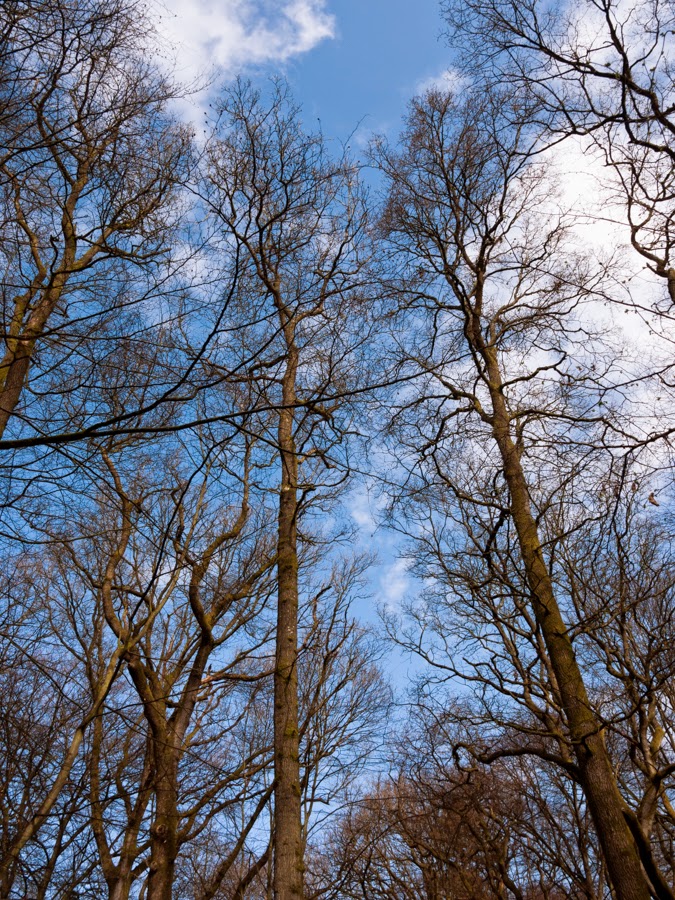
Low dark cloud raced across the sky as I left Balcombe station. The rain came down and there were no photos. A few miles later, into Nymans Woods, it clears up suddenly and swiftly. The forest floor blazes golden brown, a thick carpet of beech and oak leaves. It's starting to feel like summer but the trees are still bare. Only the holly, ivy and moss provide shocks of green. It's been mostly dry for a couple of weeks and the going is easy, There's little mud on the footpaths and much of the route is on metalled or gravelly bridleways. Through the village of Handcross, bisected by the six thundering lanes of the A23, then diving back into lush lanes, between green banks scattered with primroses. Deepest Sussex, about as bucolic as you can get in the south east. At times you do feel quite far away from it all. The sun is strong, the going is easy, and I'm covering ground fast. Iron was worked in the Weald from prehistory to the 18th century. As the industry grew it needed...
A day at the marshes

Image
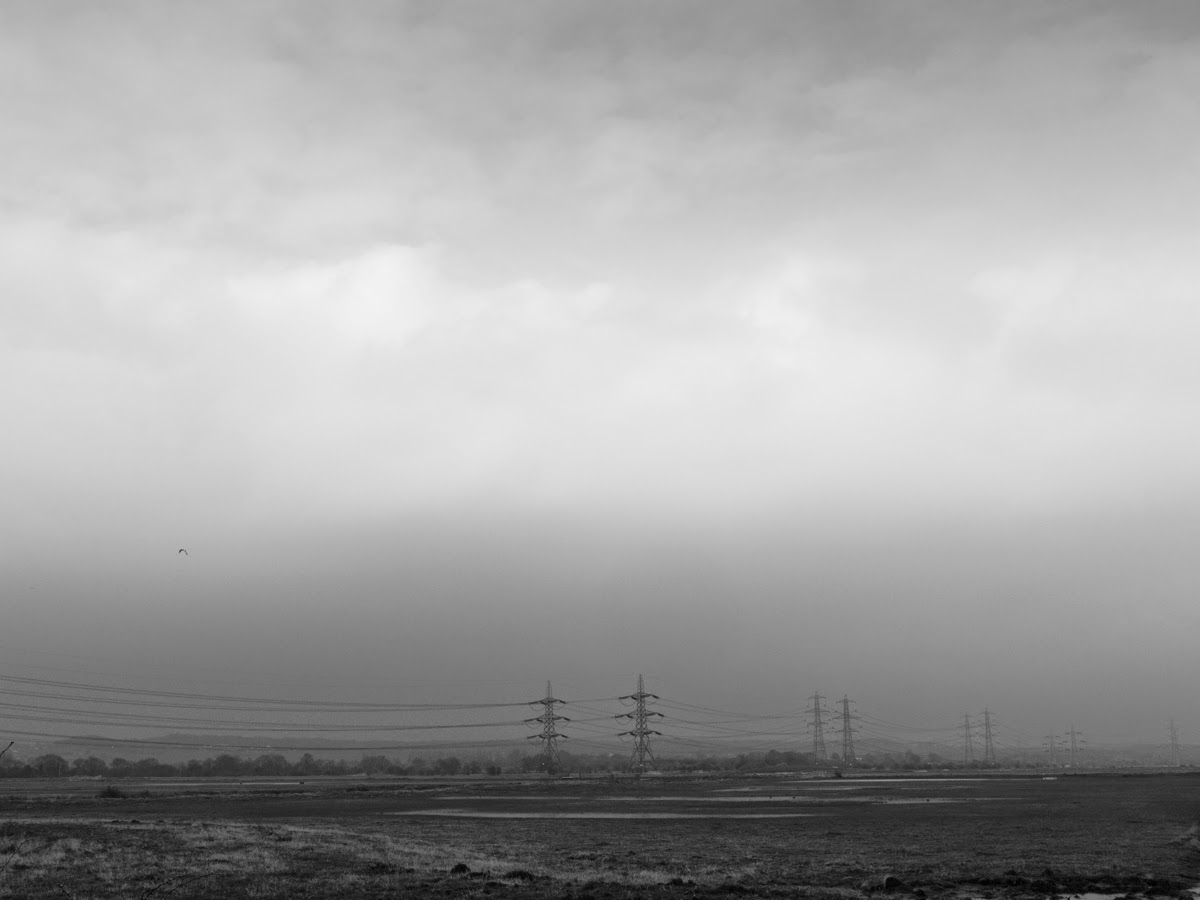
Easter shutdown on the railway meant a narrowing of options for getting out of London for a walk. HS1 down the Thames estuary was still running. Half an hour from St Pancras through the strange semi-industrial interzone of the estuary flatlands and I was here on the Hoo peninsula, the north Kent marshes. The villages sit well back from the river, on the first hints of higher, drier ground. The river is a rumour beyond the horizon. I pass a house called Thames View but the Thames is out of sight. The marshes seem tame at first, grazed, but up close they ooze water. The path follows an embankment between channels thick with head-high rushes. Higham Marsh is full of life. Lapwings whoop and tumble, a heron patrols, and Canada and greylag geese fly in to feed. There's a big aggregate works near the village of Cliffe. Decades of digging out sand has created artificial lakes, new habitat. The RSPB have a reserve here. Finally the coast, the mudflats on the outermost reach of the Thames. ...

A tale of two Innses

Image
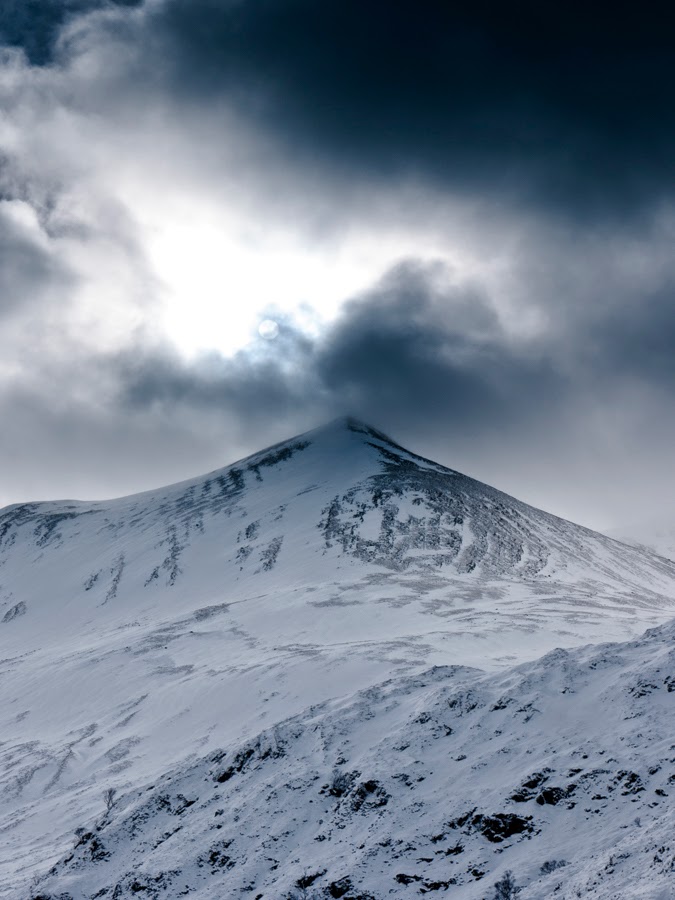
It all got a little bit epic a little too soon. Driving the wild road between Dalwhinnie and Spean Bridge the snow was swirling down and the road ahead reduced to two black furrows through the white. I tailed a lorry as it cut a swathe through the slush and made it past Loch Laggan and safely down below the snowline. I was on my way to meet David Lintern and Tim Mitchell . Dave and Tim have known each other for a long time, and Dave had kindly invited me to join them on a winter foray into the hills above Spean Bridge to bag a brace of Corbetts, Cruach Innse and Sgurr Innse. The sun was out as we set off; it was almost warm and we were soon sweating under sizeable packs full of winter gear. We pulled up past the Wee Minister who watches over Glen Spean and confers protection on the many climbers and walkers who pass him by. My load was probably heaviest of all. In order to accommodate my enormous synthetic winter sleeping bag along with everything else, I'd had to use my 100 litre...